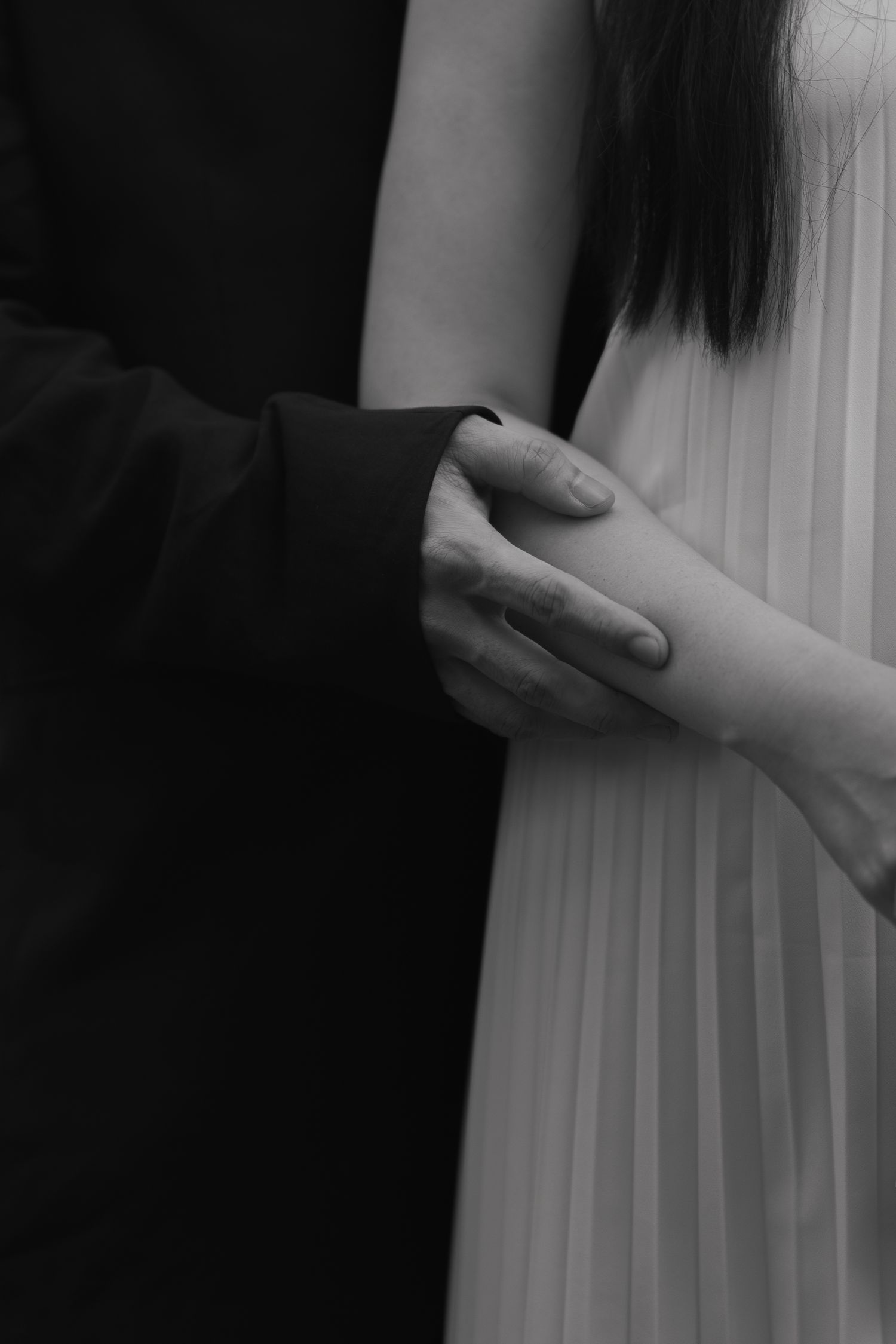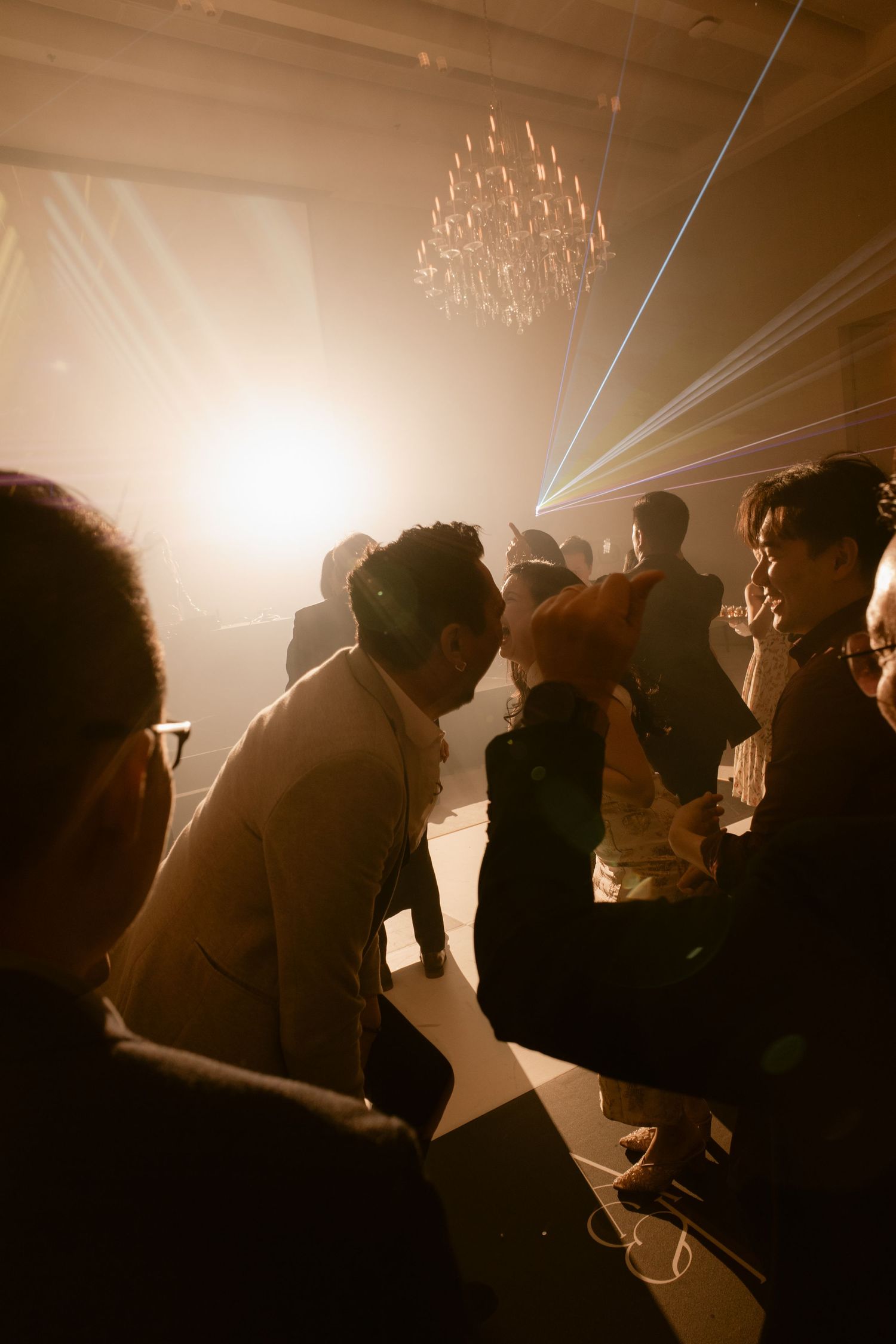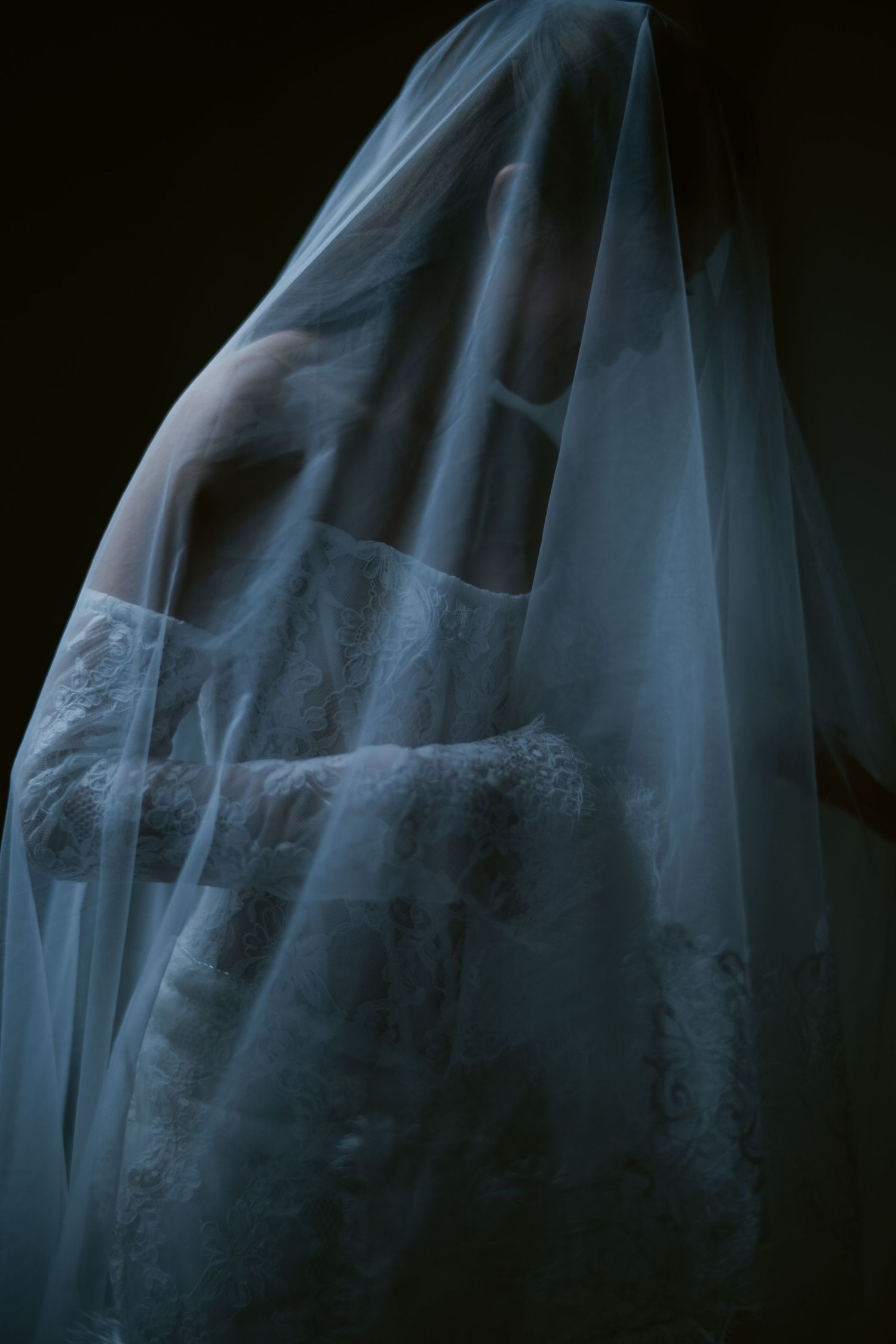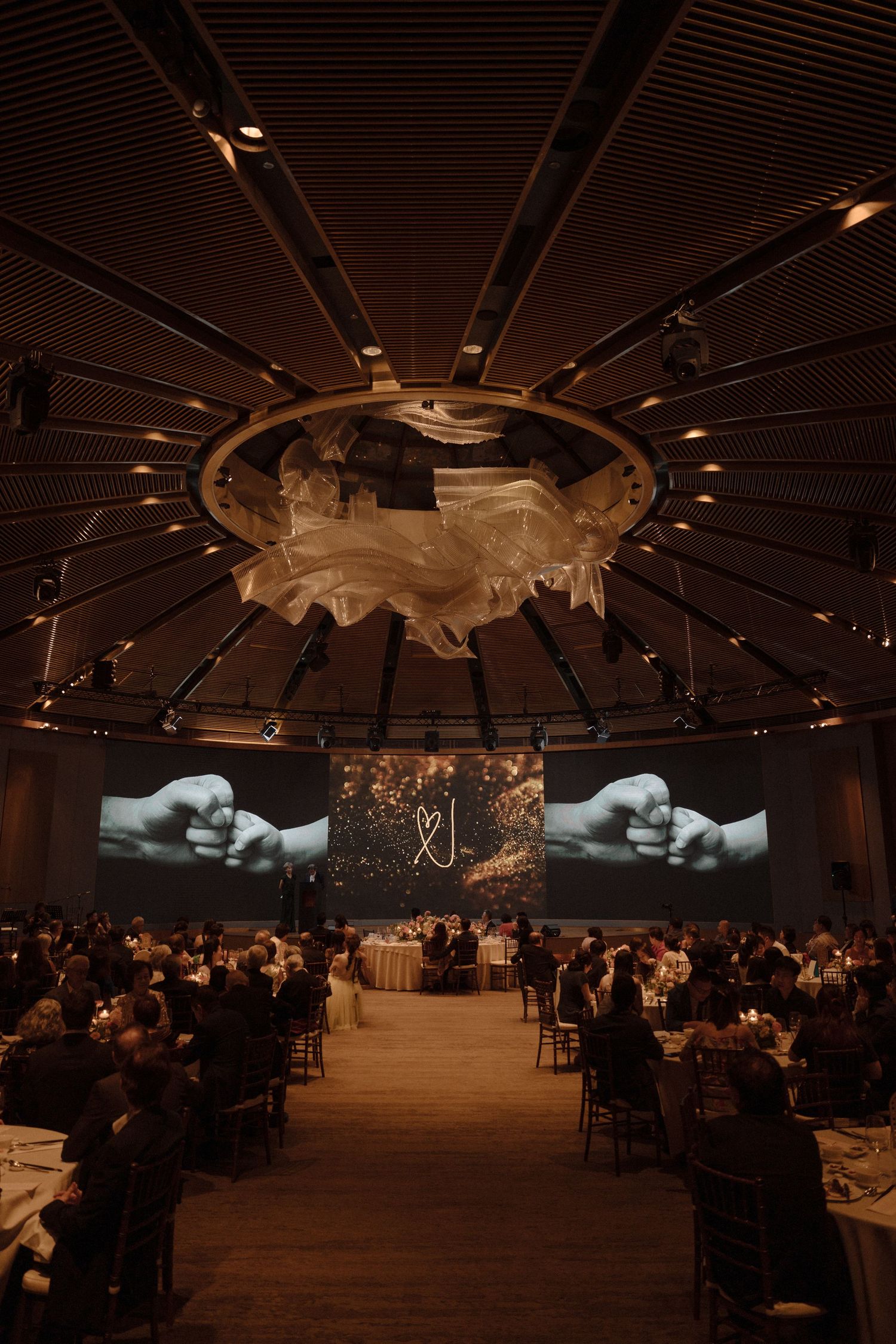
Stories beyond aesthetics
Creating your fondest memory
Most people, if asked to describe our wedding films in a sentence, would look through our Instagram and describe something like "short, intimate, editorial reels" That's not wrong. It's just not the whole picture.
What makes a film ours isn't its length or its aesthetic; it's what's holding those things together underneath. A story, rhythm, and way of noticing. And underneath all of it, a single question we keep coming back to: will this still make you feel something, years from now, once the day itself has become a memory rather than an event?
Every wedding we film starts with a question that has nothing to do with the shot list: what actually happened here, and why does it matter? That question shapes everything downstream. It decides which moments become scenes and which stay footage. It decides pace because a wedding day doesn't move at one speed, and neither should its film. From the quiet and slow mornings getting ready, the tension of the ceremony, and the release of joy and noise afterwards. A film that flattens all of that into one uniform tempo has technically documented the day. But it hasn't told you anything about what the day felt like to be inside of,
and feeling, not documenting, is the entire point.
This is where the cinematic instinct comes in. Not slow-motion and lens flares, but compositions that trust a frame to breathe. Light used as mood rather than illumination. Space left empty on purpose. A mixture of shots that puts you in the moment, and shots that separate you from the moment. It's the same instinct that makes us build a sequence of pretty footage that evokes intimacy and anticipation.
We don't edit for excitement. We edit for how something is remembered. Memory doesn't move at a constant speed. It lingers on some things and rushes past others, exactly the way the day itself did. That's the tempo we're actually chasing: not fast for the sake of energy, not slow for the sake of elegance, but a mix that mirrors how a fond memory actually replays in someone's mind.
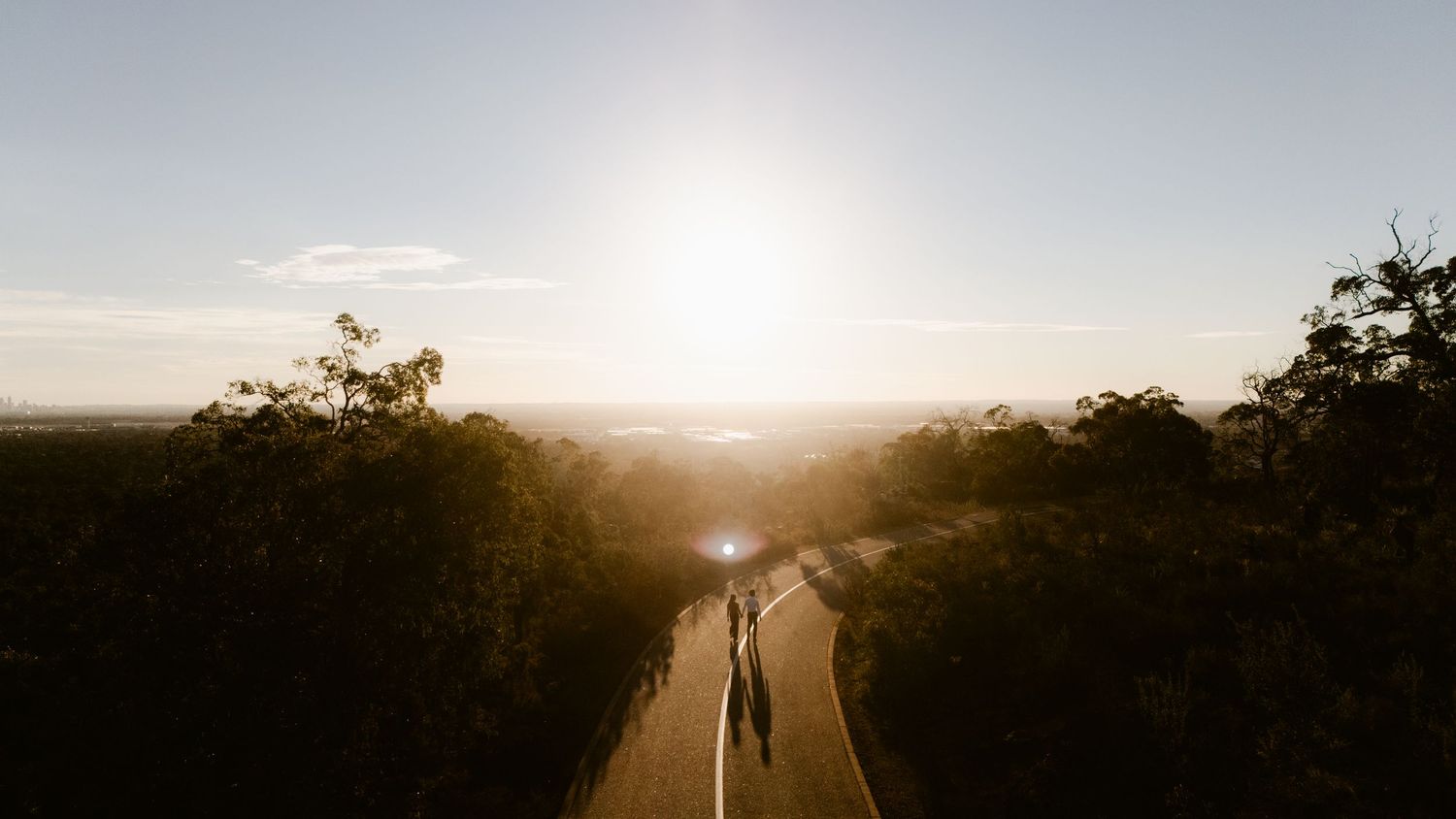
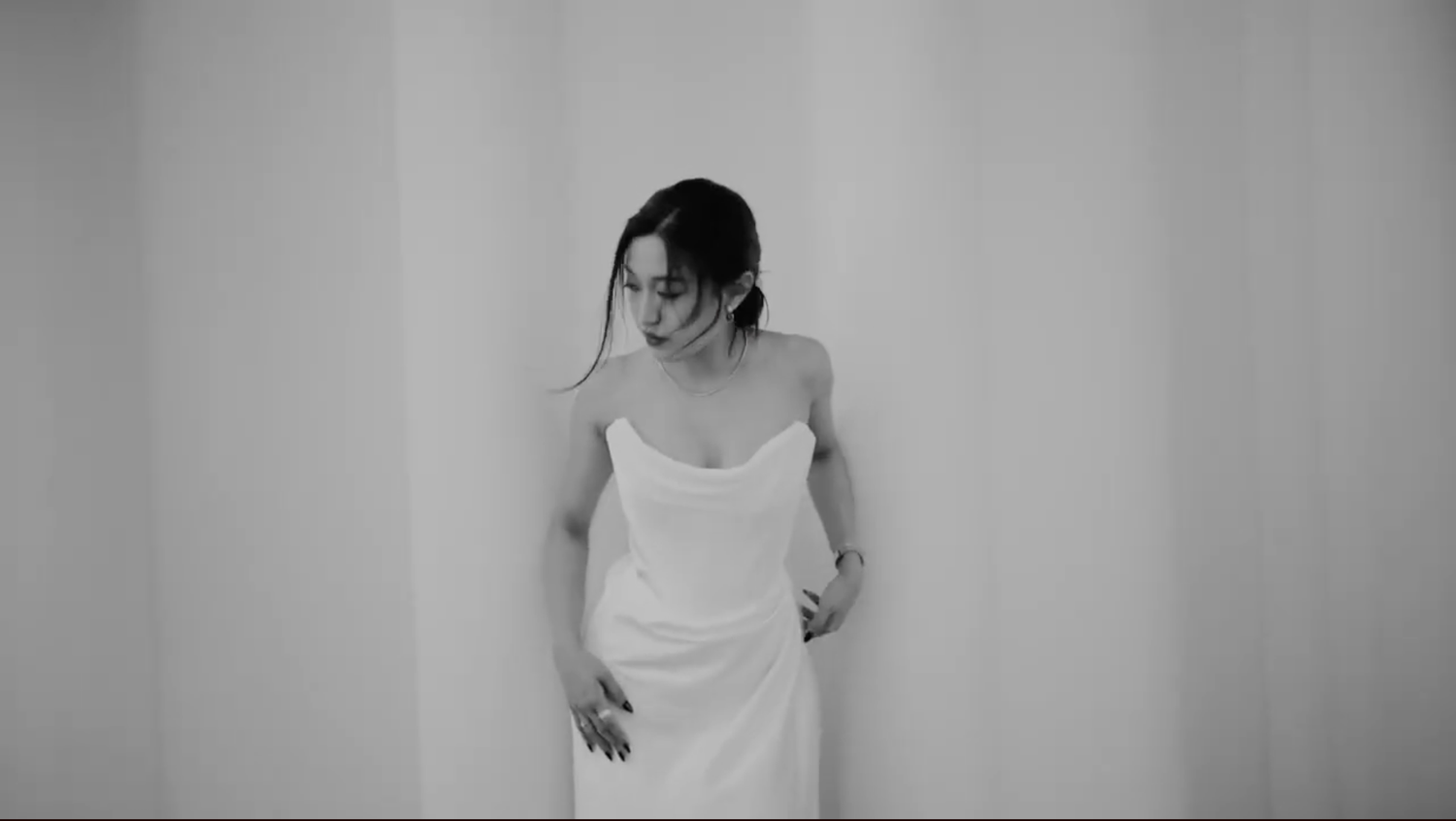
A film needs voice to become a story. Vows spoken aloud, a toast catching in someone's throat, the specific laugh only a best friend has. We layer this sound across the film rather than keeping it chronological, so a line said during the reception might play under footage from hours earlier, letting words and images speak to each other instead of simply matching up. Music sits underneath, making the feeling already in the room a little more audible. the best score is the kind you stop noticing as separate from the moment. That's the blend we're after: voices that carry the story, and music that never gets in its way.
A wedding film, to us, is real voices, a tempo that mirrors memory, and details worth keeping, all shaped to make you feel something.
Not something you watch once. Something you return to.
Resonate with our approach?